




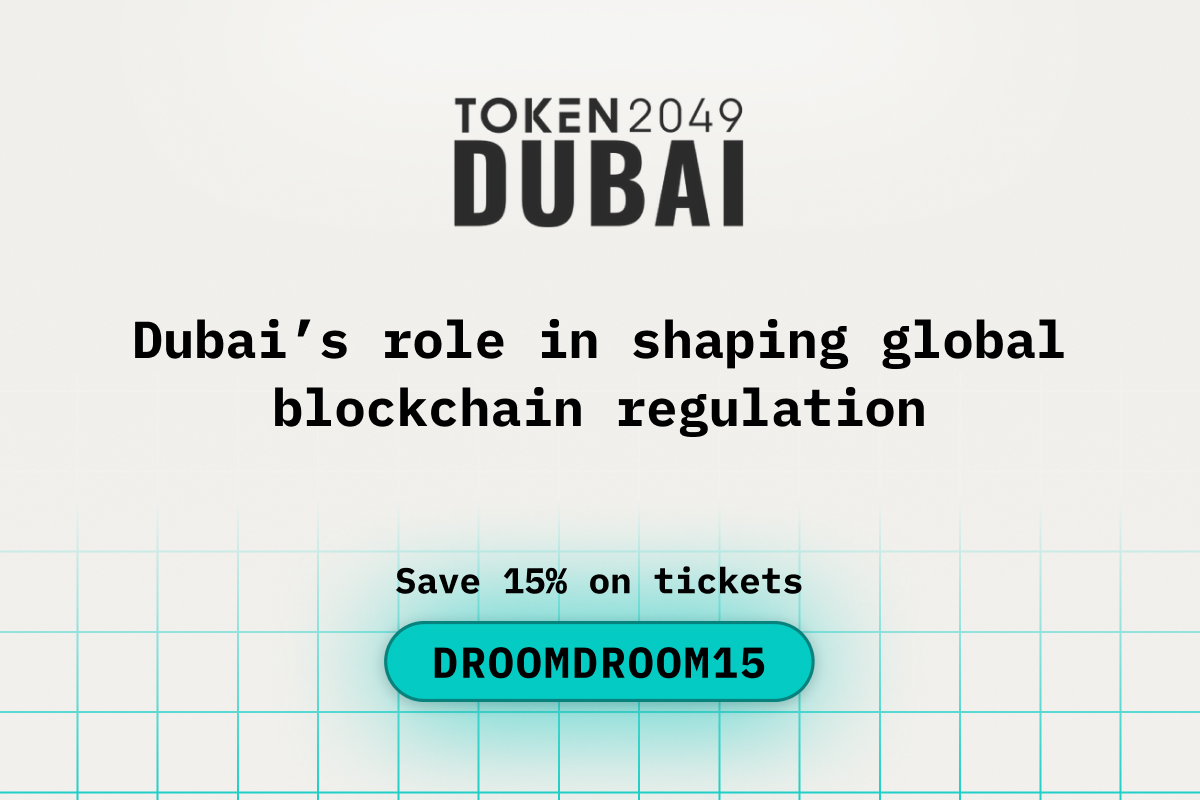
Dubai has positioned itself as a leader in the blockchain and cryptocurrency space, playing a crucial role in developing regulatory frameworks that serve as models for other nations. The emirate’s commitment to fostering innovation while ensuring robust oversight has attracted attention from policymakers globally. This balanced approach not only supports local economic growth but also contributes to the standardization of practices worldwide. In this context, major industry gatherings provide essential opportunities for stakeholders to engage in meaningful conversations about the future of regulation.
The Foundations of Dubai’s Blockchain Strategy
The United Arab Emirates, and Dubai in particular, recognized early on the transformative potential of blockchain technology. By investing in infrastructure and policy development, the region has created a conducive environment for digital asset businesses to flourish. This strategic foresight has enabled Dubai to lead in areas where many other jurisdictions are still formulating their responses.
Virtual Assets Regulatory Authority (VARA)
Central to Dubai’s regulatory success is the establishment of the Virtual Assets Regulatory Authority. VARA provides a dedicated framework for licensing and supervising entities involved in virtual assets. Its comprehensive rules address key concerns such as market integrity, consumer protection, and financial stability. These regulations have been praised for their clarity and adaptability, offering a template that international bodies can emulate when crafting their own policies.
VARA’s initiatives include rigorous due diligence processes for service providers and guidelines for initial coin offerings. By enforcing these standards, Dubai has minimized risks associated with blockchain activities, thereby building trust among investors and users alike. This trust has been instrumental in drawing significant investment into the sector, further enhancing the emirate’s global standing.

The authority also engages in ongoing consultations with industry experts to refine its approaches. Such collaborative methods ensure that regulations remain relevant amid technological advancements, setting a precedent for dynamic governance in the blockchain domain.
Dubai’s Appeal to Blockchain Pioneers
Beyond regulation, Dubai offers a unique ecosystem that combines business-friendly policies with world-class infrastructure. Entrepreneurs and established firms alike benefit from incentives that promote growth and expansion in the blockchain space. This has resulted in a vibrant community of innovators who contribute to both local and international regulatory discussions.
Special economic zones in Dubai have been instrumental in this regard. They provide tax advantages, expedited licensing, and access to cutting-edge technology hubs. These features have lured top talent and companies specializing in decentralized applications, tokenization, and distributed ledger systems. As these entities operate under Dubai’s regulatory umbrella, their practices influence broader market behaviors and expectations.
Furthermore, the emirate’s focus on education and talent development ensures a steady supply of skilled professionals. Training programs and academic partnerships equip individuals with knowledge of blockchain compliance and innovation. This human capital advantage strengthens Dubai’s position as a thought leader, enabling it to shape conversations on global regulatory harmonization.

Influencing Worldwide Regulatory Norms
Dubai’s regulatory model has transcended local boundaries by inspiring similar frameworks in other countries. Nations in the Middle East, Europe, and beyond have looked to Dubai for insights on effective oversight mechanisms. This cross-pollination of ideas helps create a more consistent global regulatory environment, reducing uncertainties for multinational blockchain operations.
Partnerships and Knowledge Sharing
Through active involvement in international regulatory dialogues, Dubai shares its experiences and learns from peers. Agreements with global financial watchdogs facilitate the exchange of best practices, particularly in combating illicit activities within the crypto space. These partnerships underscore Dubai’s commitment to responsible blockchain development on a worldwide scale.
Additionally, the emirate hosts high-profile events that bring together regulators, innovators, and investors. These forums allow for real-time feedback on proposed regulations, accelerating the development of standards that address emerging challenges like interoperability and data privacy.
The ripple effects of Dubai’s policies are evident in how other regions adopt elements such as sandbox testing for new blockchain products. By demonstrating successful implementation, Dubai accelerates the global shift toward regulated yet innovative digital economies.

Challenges and the Road Ahead
While Dubai has made remarkable strides, it continues to navigate complexities inherent in blockchain regulation. Issues such as evolving cyber threats and the need for cross-border enforcement require vigilant adaptation. However, the emirate’s flexible policy-making process allows it to respond effectively to these dynamics.
Future developments in blockchain, including integration with artificial intelligence and sustainable finance, will demand even more sophisticated regulatory tools. Dubai is well-prepared to lead these efforts, leveraging its established infrastructure and expert networks.
Sustainability remains a key focus, with regulations encouraging green blockchain practices. This forward-thinking stance positions Dubai to influence environmental considerations in global crypto governance.
In summary, Dubai’s contributions to global blockchain regulation are both innovative and impactful. By creating supportive yet secure environments, engaging in international collaboration, and promoting knowledge exchange, the emirate is helping to build a more stable and prosperous blockchain ecosystem for all. As the technology matures, Dubai’s role will likely expand, offering valuable guidance to the international community.